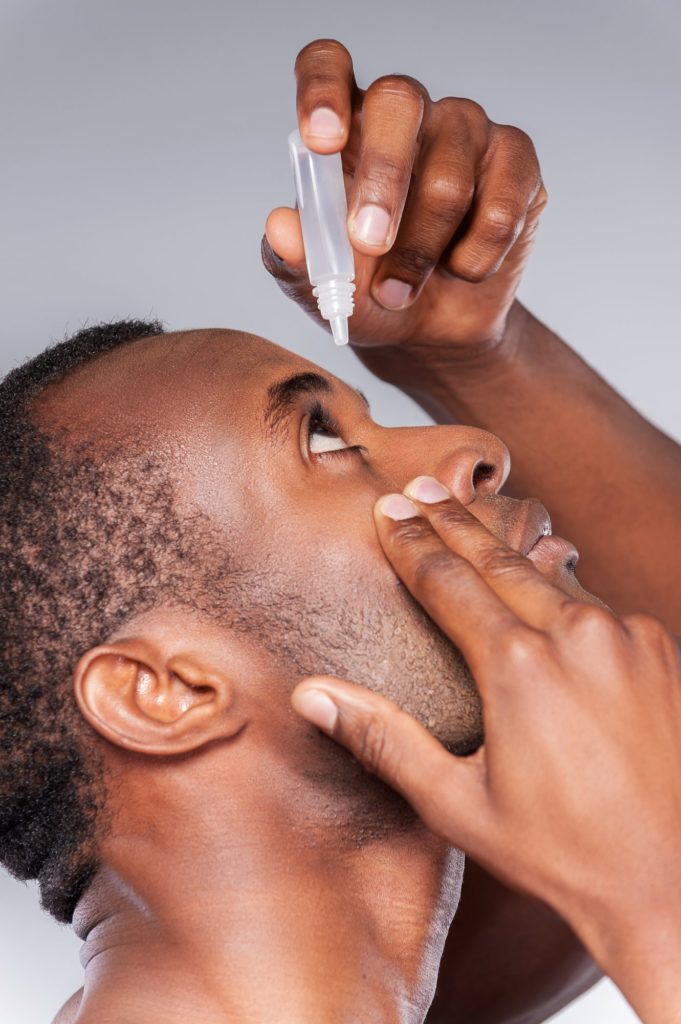
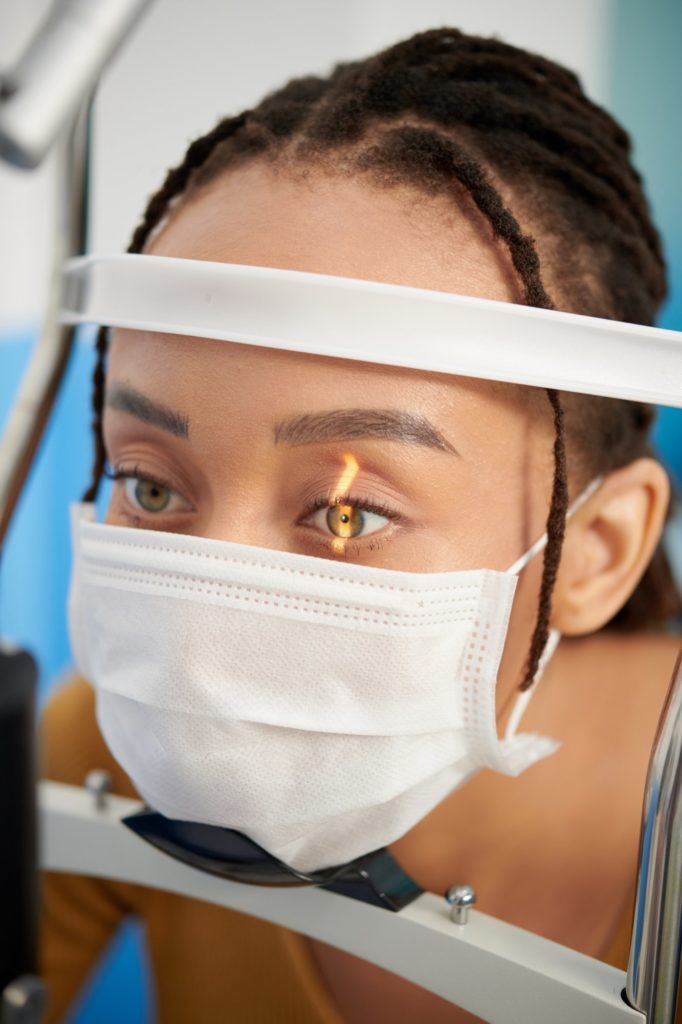
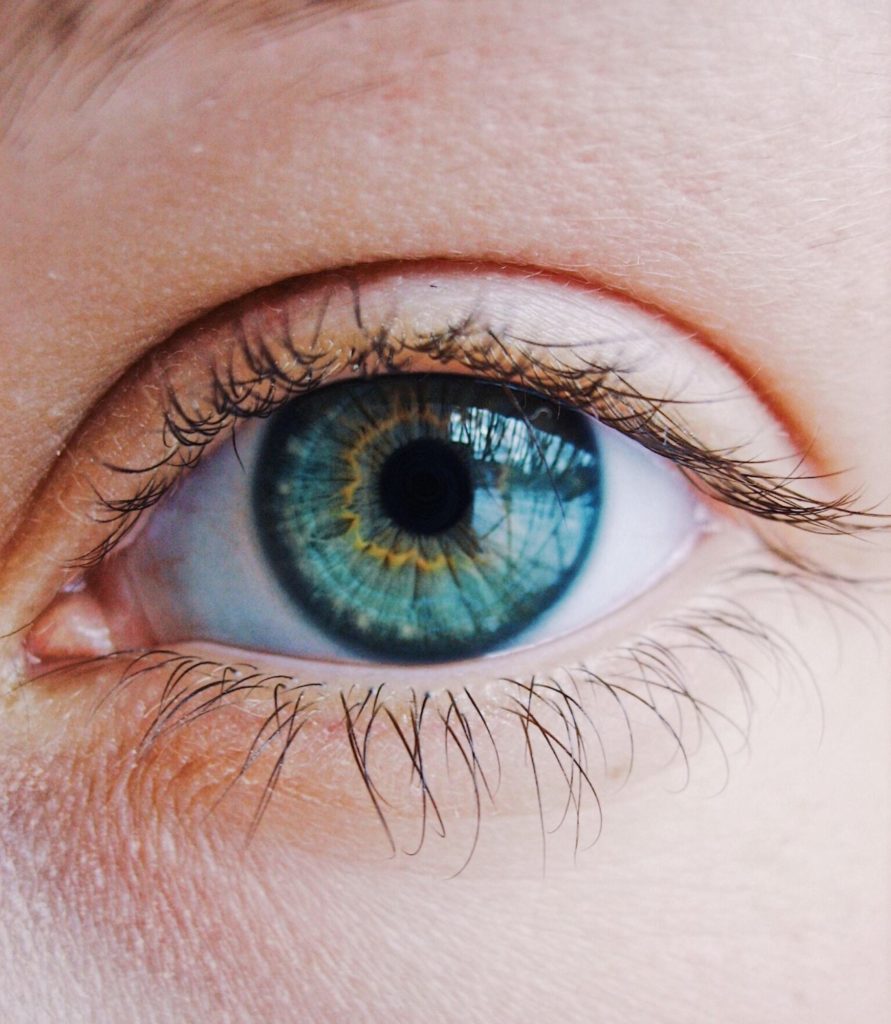
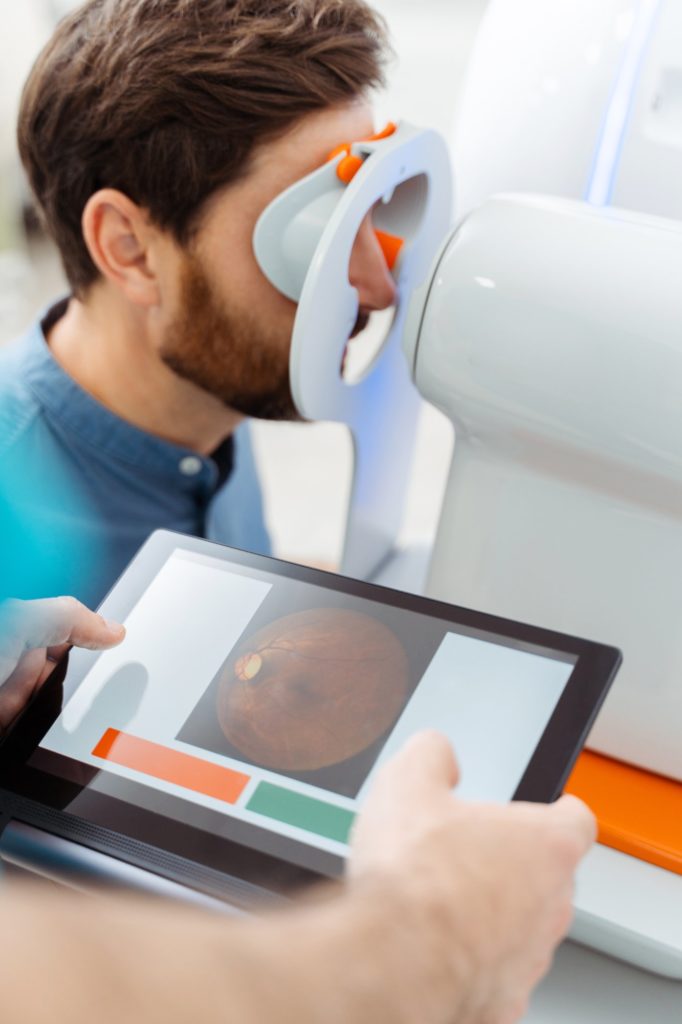
To control, treat, and prevent ocular pathologies through general and specialized ophthalmological care.
Ophthalmology
General and Specialized Ophthalmology
An ophthalmological consultation ensures comprehensive visual health management. It includes prescription renewal for glasses, diagnosis, treatment, and monitoring of ocular pathologies, as well as the performance of specialized surgical procedures.
The consultation allows for vision assessment, early detection of ocular disorders, and renewal of prescriptions for glasses or contact lenses. It is also essential for driving license examinations, monitoring symptoms such as red eye or decreased vision, and referral to specialists if necessary.
Consultation Objective
To check vision, detect potential anomalies, and assess overall ocular health.
Glasses prescription renewal, driving license check, decreased vision, red or irritated eye.
Follow-up
Personalized advice, corrective prescription, ocular hygiene, or referral to a specialist if necessary.
Pathologies
Cataract
Cataract refers to the progressive opacification of the lens, the eye’s natural lens. It leads to a gradual decrease in vision, a veil-like sensation, glare, light halos, and an alteration in color perception. Surgery, the only effective treatment, is quick, outpatient, painless, and very safe, often reducing dependence on glasses with rapid recovery.
Causes / Triggers
Aging, diabetes, ocular trauma, prolonged corticosteroid use, family history, sun exposure, previous eye surgery.
Clinical Signs
Progressive decrease in vision, sensation of a veil or mist, glare, halos around lights, difficulty driving (at night), frequent changes in optical correction, less vivid color vision.
Risks
Vision loss, car accidents related to reduced vision, dependence on glasses, feeling of insecurity or discomfort.
Management
Only surgical intervention is effective: removal of the opacified lens and implantation of a transparent artificial lens.
Pathologies
Dry Eye
Dry eye results from insufficient tear production or poor tear quality, causing irritation, burning, and discomfort. Dryness can worsen eye fatigue and disrupt vision. Appropriate management improves comfort and prevents ocular complications.
Glaucoma is a disease of the optic nerve, often linked to elevated intraocular pressure. It leads to a progressive loss of the visual field, which is irreversible if left untreated. The disease requires early detection and regular monitoring to preserve vision.
Causes / Triggers
Elevated intraocular pressure, genetics, age >40 years, myopia, vascular disorders, trauma, prolonged corticosteroids.
Clinical Signs
Initially asymptomatic, then visual field constriction, peripheral blurred areas, pain or halos in acute forms.
Risks
Irreversible visual field loss, blindness if untreated, severe ocular complications.
Management
Hypotensive eye drops, laser (trabeculoplasty), surgery, regular follow-up with OCT and visual field testing.
Pathologies
Sjögren's Syndrome
Sjögren’s Syndrome is an autoimmune disease primarily affecting the lacrimal and salivary glands, leading to persistent dry eyes. This can be particularly severe and impact the patient’s quality of life.
Causes / Triggers
Autoimmune disease, genetic and hormonal factors.
Clinical Signs
Dry eyes and mouth, fatigue, redness and irritation of the eyes.
Risks
Inflammation of the cornea and conjunctiva due to severe dry eye.
Neuropathic ocular pain is caused by hypersensitivity of the corneal nerves or the central nervous system. It manifests as chronic pain, often disproportionate to observed lesions. It can be associated with severe dry eye.
Pterygium is an abnormal and benign growth of conjunctival and vascular tissue on the ocular surface, extending from the conjunctiva towards the cornea. It causes irritation, redness, or visual discomfort. Surgery allows for the removal of this invasive tissue, restoration of corneal transparency, and improvement of ocular comfort.
Causes / Triggers
Prolonged exposure to sun, wind, dust, UV, chronic conjunctival irritation.
Clinical Signs
Conjunctival opacity, redness, irritation, foreign body sensation, light discomfort.
Risks
Progression towards the cornea, loss of transparency, visual disturbances, recurrence without adequate treatment.
Management
Excision surgery, possibly conjunctival graft, post-operative follow-up, and UV protection.
Pathologies
Diabetic Retinopathy
Diabetic retinopathy is a common complication of diabetes, resulting from damage to the small retinal vessels. It can progress to hemorrhages, macular edema, or detachments. Regular screening and prompt treatment (laser, injections, surgery) help preserve long-term vision.
Causes / Triggers
Poorly controlled diabetes, chronic hyperglycemia, hypertension, duration of diabetes.
Clinical Signs
Often absent initially, then blurred vision, spots, decreased acuity, or visual distortion in advanced stages.
Risks
Macular edema, intraretinal hemorrhages, retinal detachment, blindness if untreated.
Myodesopsias, or floaters, refer to the perception of small particles floating in the eye, disrupting the visual field. They are generally benign and related to aging or changes in the consistency of the vitreous. Myodesopsias require ophthalmological follow-up to rule out any underlying pathology, such as retinal or vitreous detachment.
Causes / Triggers
Eye aging, myopia, posterior vitreous detachment, ocular trauma or inflammation.
Clinical Signs
Small spots, filaments, or mobile points in the visual field, especially against a light background.
Risks
Rarely, retinal detachment, vitreous hemorrhage, or worsening of central vision.
Management
Ophthalmological follow-up, advice for visual adaptation, laser or vitrectomy in debilitating cases.
A comprehensive vision
Harmony
Balancing Function and Aesthetics
Natural
Preserving Authentic Expression
Care
Listening, Explaining, and Reassuring
Ophthalmology
How is ophthalmological follow-up conducted?
Initial Consultation
Comprehensive vision assessment, medical history, and patient symptoms to precisely identify their visual needs and risks.
Clinical Examination and Complementary Tests
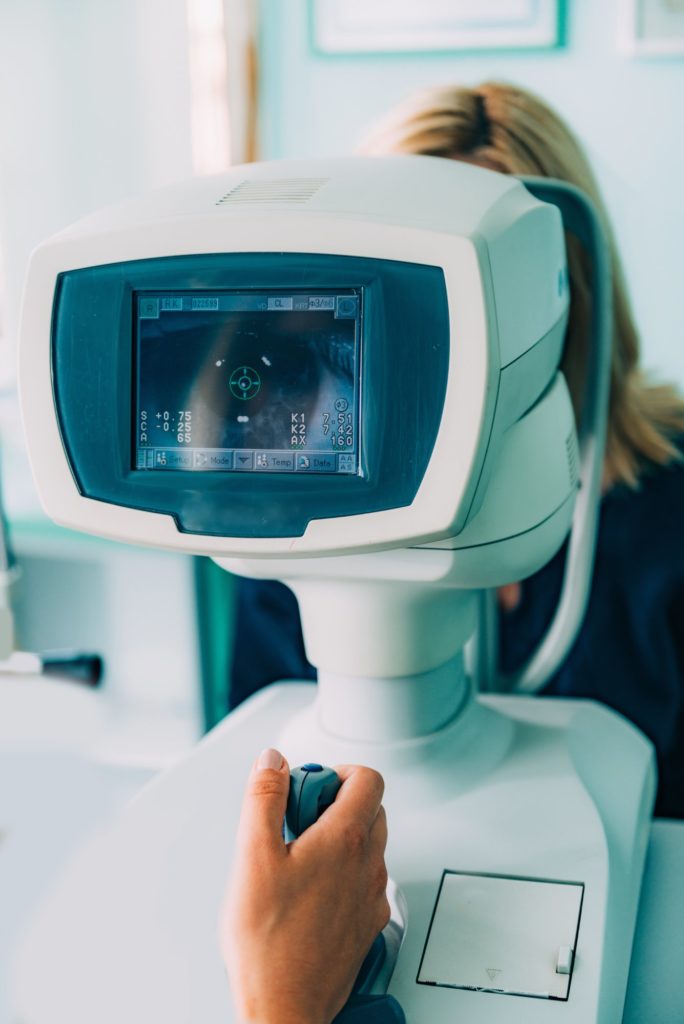
Visual acuity measurement, tonometry, fundus examination, OCT, or other adapted examinations for a precise and personalized diagnosis.
Follow-up Plan and Treatment
Prescription of glasses, contact lenses, or medicinal treatments, hygiene recommendations, or planning of surgical interventions if necessary.
Monitoring and Adjustment
Regular check-ups to monitor evolution, prevent complications, adapt treatment, and ensure the best possible visual health.